
Court Dismisses Mwenda Mbijiwe Family Petition, Faults Weak Evidence and Delayed Investigations

Opinion: Why Caring for Staff Is Key to Building Better Public Institutions
2 June 2026
Court Pushes Fuel Pricing Case to July as State Fails to Respond
3 June 2026Court Dismisses Mwenda Mbijiwe Family Petition, Faults Weak Evidence and Delayed Investigations
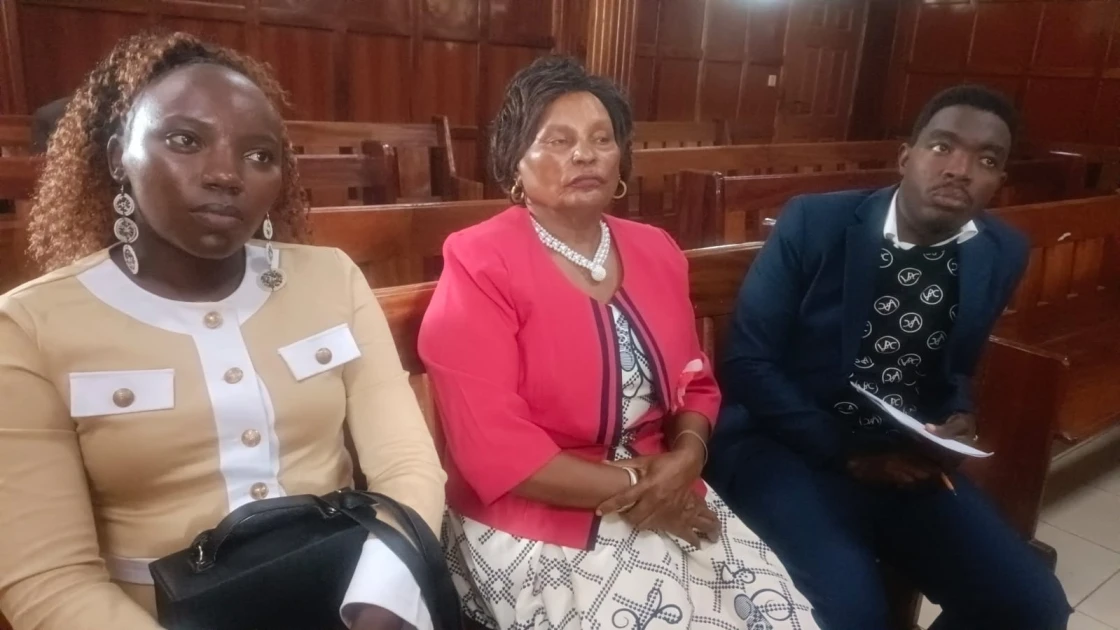
The High Court has dismissed a petition by the family of missing security analyst Mwenda Mbijiwe, ruling that there was no sufficient evidence linking state agencies or any identifiable persons to his disappearance.
In a major setback for the family’s quest for accountability, the court held that the petitioners failed to prove that Mbijiwe was in the custody, control or detention of the respondents at the time he vanished.
The court found that while the family alleged that Mbijiwe had been arrested by police officers before he went missing, they did not provide convincing evidence to show that he remained under the custody of the state thereafter.
The judge said the burden was on the petitioners to demonstrate, through credible and direct evidence, that Mbijiwe was under the legal control of the respondents when he disappeared.
The court noted that Mbijiwe’s mother, who testified in the case, was in Meru at the time of the incident and did not witness the events leading to her son’s disappearance. Her evidence, the court found, was based on information allegedly relayed to her by Edward Mwangi Macharia, the owner of the vehicle Mbijiwe had hired.
According to the judgment, Macharia allegedly informed Mbijiwe’s mother that her son had been kidnapped. However, despite being summoned by the court to testify, he failed to appear and did not place any evidence before the court in support of the family’s claims.
The judge observed that, in the absence of Macharia’s testimony, the only evidence before the court was that of Mbijiwe’s mother, who was not an eyewitness. The court said there was therefore no direct evidence connecting any of the respondents to Mbijiwe’s alleged detention, abduction or disappearance.
At the same time, the court raised serious concerns over the quality and timing of investigations into the matter, questioning whether meaningful inquiries had been conducted at the scene where the vehicle hired by Mbijiwe was later recovered.
The judge also faulted the delay in pursuing key investigative leads, noting that applications for Mbijiwe’s call data records were only made several years after he disappeared. The court observed that although some investigative steps were taken in 2025, they came nearly five years after Mbijiwe vanished.
“What value can investigations yield after a duration of five years following Mbijiwe’s disappearance?” the court posed, describing the investigations placed before it as “wanting in substance.”
The court further noted that no substantive application had been made seeking directions on fresh or further investigations into the disappearance.
Consequently, the petition was dismissed, leaving Mbijiwe’s family without the court declarations they had sought against state agencies.
Mbijiwe disappeared in 2021 in circumstances that remain unresolved. His family has long maintained that he was abducted after an encounter with law enforcement officers, but despite years of investigations and court proceedings, his whereabouts remain unknown.